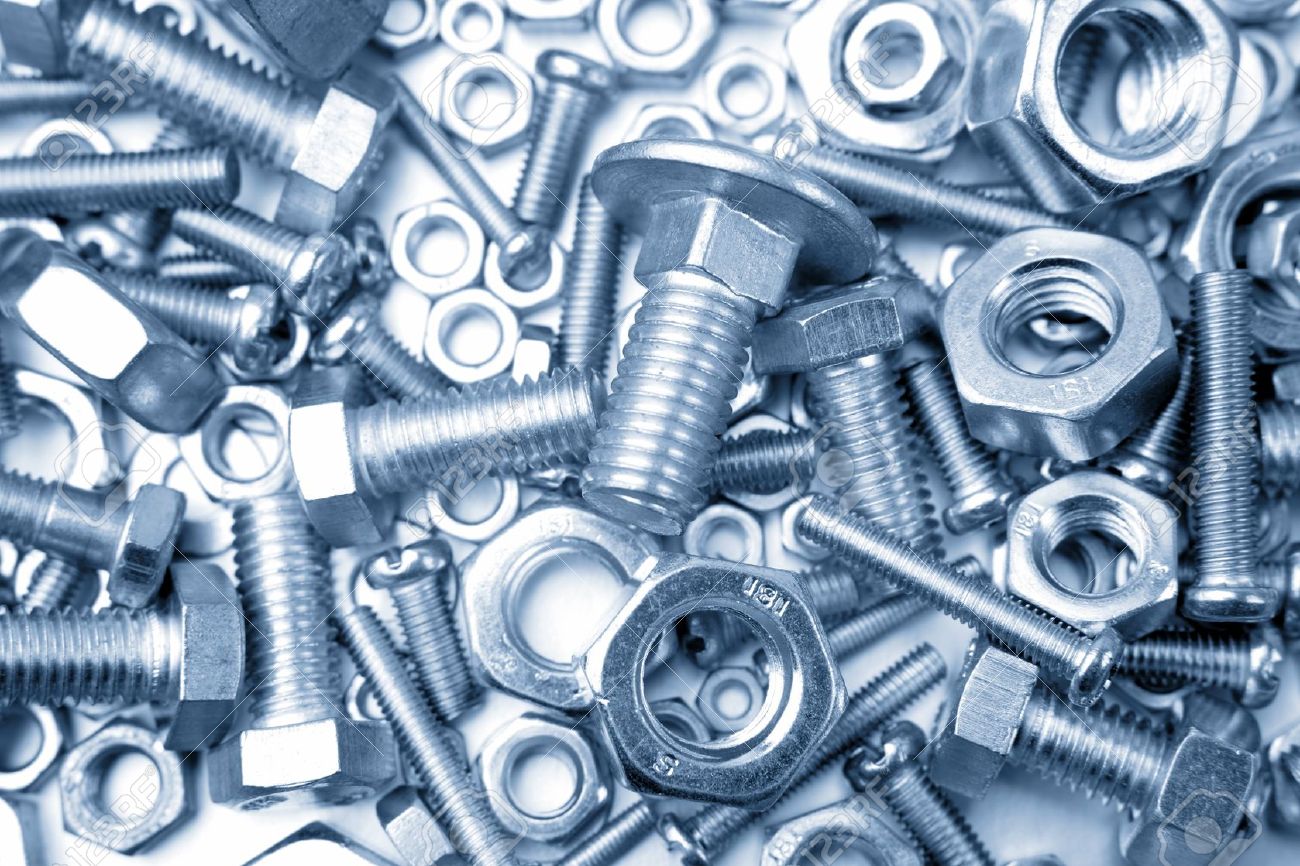
ALKALİ ÇİNKO KAPLAMA
Alkali Çinko kaplama prosesimiz, mükemmel yapışma, homojen kalınlık ve yüksek görsel çekicilik sağlar.
Firmamız bünyesindeki tam otomatik alkali çinko kaplama hattı, yüksek teknolojiye sahip iç-dış konik delim tambur sistemiyle donatılmıştır. Bu sayede, yüksek kapasitede, hızlı, verimli ve uluslararası standartlara uygun çinko kaplama hizmeti sunulmaktadır.
Zenit Yüzey İşlem Teknolojileri, prosesin her aşamasında kalite kontrol uygulayarak, müşterilerine hem korozyon direncinde hem de estetik görünümde üst düzey çözümler sağlamaktadır.
Standartlar: ISO 4042, ASTM B633, DIN EN 12339, DIN EN 50961, BRS 17 1005, BOSCH N67F 821 69, VW TL217, DIN 50979, DBL 8451, BMW GS 90010, ISO 4520, TS EN ISO 3613, ISC-B11, VW 13750, CNH MAT0320, DBL 8451, FORD WX100, WABCO JED256
Çinko Nikel Kaplama
Düşük kalınlıklarda dahi üstün korozyon dayanımı; ASTM B117 NSS koşullarında başarılı sonuçlar.
Çevre dostu yapısıyla öne çıkan Alkali Çinko-Nikel kaplama, RoHS ve REACH direktiflerine tam uyumludur.
Malzeme ihtiyacına göre şeffaf/siyah pasivasyon seçenekleri uygulanır; tambur sistemine uygun parçalar için yüksek verimlidir.
Otomotiv, makine ve endüstriyel uygulamalarda uzun ömürlü, güvenilir kaplama çözümleri sunar.
Standartlar: DBL 8451, BMW GS 90010, ISUZU ISC-B11-004J, VW 13750, FORD WX100, VW TL244, DIN 50962, GME 00252
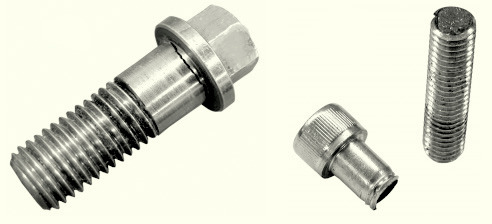
Hidrojen Gevrekliği (Kırılganlık) Giderimi
Yüksek mukavemetli çeliklerde proseste difüze olan hidrojenin uzaklaştırılması için kritik ısıl işlem.
Bu işlem, parçalarda oluşabilecek mikroyapısal kırılmaları ve beklenmedik mekanik arızaları önlemek açısından önemlidir.
Firmamızda tipik olarak 200–250 °C, 2/4/6 saatlik fırınlama süreleri uygulanır.
- 200 – 250 °C sıcaklık aralığı
- 2, 4 veya 6 saatlik fırınlama
Müşteri talebine göre 200–300 °C aralığında daha uzun süreli tavlama uygulanabilir.
Parametreler, malzeme özellikleri ve ilgili standartlara (ASTM F519, ISO 9587) göre belirlenir.
- Difüze olmuş hidrojen kafesten uzaklaştırılır
- Gevrek kırılma riski minimize edilir
- Yüksek dayanımlı çeliklerde süneklik korunur
- Parçaların uzun ömürlü ve güvenli kullanımı sağlanır
Tüm süreç kalibre fırınlar ve hassas sıcaklık kontrolüyle yürütülür; tekrarlanabilir kalite sunulur.
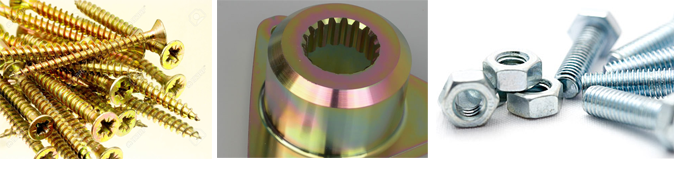
Pasivasyon ve Sealer Uygulamaları
Cr+6 içermeyen proseslerle koruyucu film oluşturarak korozyon dayanımını artırır.
Pasivasyon, çinko kaplamada nanometre–mikrometre aralığında koruyucu oksit/hidroksit tabakası oluşturur.
Cr+3 bazlı beyaz/sarı/siyah seçenekler ile çevre mevzuatına uyumlu uygulanır.
- Cr+3 Beyaz Pasivasyon – Yüksek parlaklık
- Cr+3 Sarı Pasivasyon – Geleneksel koruma
- Cr+3 Siyah Pasivasyon – Yüksek dayanım ve dekoratif görünüm
Sealer (lak) uygulamaları performansı artırır:
- Mikro gözenekleri doldurarak 2–3 kat korozyon direnci
- Sürtünme katsayısını optimize eder
- Tork değerlerinde tekrarlanabilirlik
- ASTM B117 / ISO 9227 testlerinde yüksek dayanım
Parametreler kontrollü sıcaklık, pH ve konsantrasyon altında yönetilir.
Uygulama Alanları
- Otomotiv: Bağlantı elemanları, şasi/motor parçaları
- Beyaz eşya ve ev aletleri
- Elektrik-elektronik: Konektörler, kontaklar
- Savunma sanayi parça koruması
- Makine ve inşaat aksamları
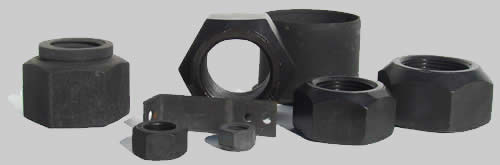
Fosfatlama İşlemleri
Demir/çelik/galvanizli çelik/alüminyum yüzeyler için kritik hazırlık ve koruma işlemi.
Metal yüzeylerde şu avantajları sağlar:
- Boyaya hazırlık ve aderans
- Korozyon direncini artırma
- Boyanın yapışmasını güçlendirme
- Sürtünmeyi azaltma (soğuk şekillendirme)
- Aşınmayı azaltma
Çinko Fosfat Kaplama
Zorlu dış ortamlar için boya/kaplama öncesi ideal; yüksek korozyon dayanımı ve uzun ömür.
Mangan Fosfat Kaplama
Aşınmaya dayanıklı, siyah ve pürüzlü yüzey; opsiyonel yağlama ile sürtünme azalır.
Uygulama Alanları
- Silah sanayi
- Otomotiv
- Makine ve hareketli parçalar
Standartlar:
- VW 13750
- MIL-DTL-16232G
- DIN 50942
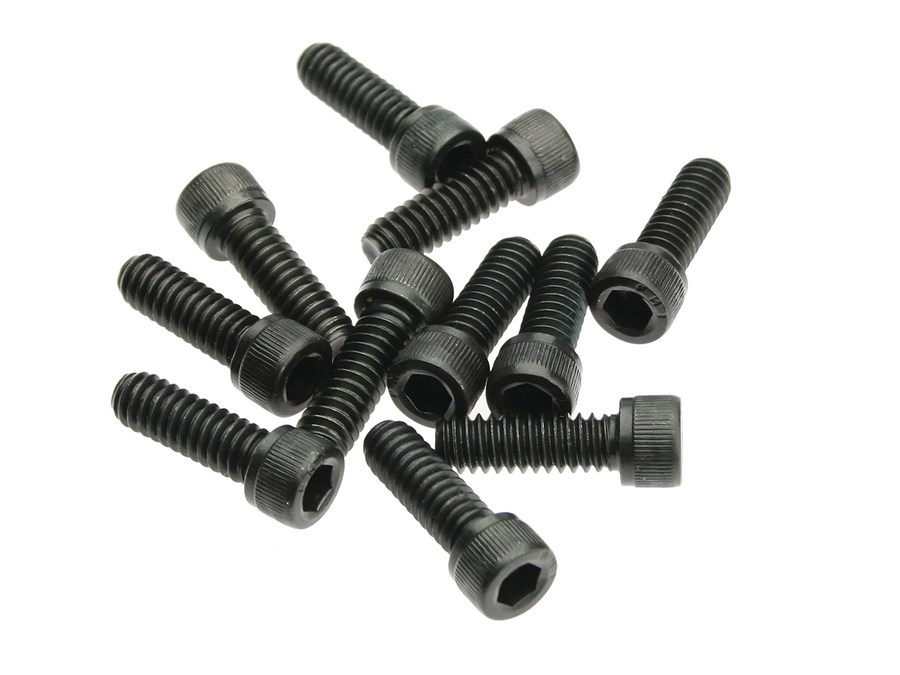
Sıcak Alkali Siyahlandırma (Siyah Oksidasyon)
Demir ve çelik malzemeler için pas geciktirme ve estetik siyah görünüm.
Prosesin amaçları: paslanmayı geciktirmek, homojen siyah görünüm, düşük kalınlık gerektiren parçalar için uygunluk.
- Depo ve kullanımda paslanmayı geciktirir
- Estetik ve homojen siyah görünüm
- Boyut toleransı kritik parçalar için uygundur
Yüzey Özellikleri
- Parlak yüzey → parlak siyah
- Mat yüzey → mat siyah
Teknik Avantajlar
- Boyut/sertlik/yüzeyi değiştirmez
- Hidrojen gevrekliği riski oluşturmaz
- Hassas toleranslı parçalar için idealdir
Proses kontrollü sıcaklık ve konsantrasyonla yürütülür; uzun ömürlü koruma sağlanır.
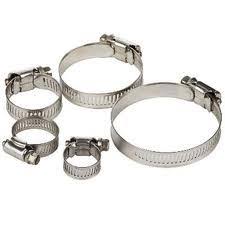
Paslanmaz Çelik Temizleme ve Pasivasyon
İmalat sonrası yüzey kusurlarını giderir; Cr2O3 pasif tabakasıyla doğal korozyon direncini yükseltir.
Kesme, bükme, kaynak ve taşlama süreçlerinde ısıl/kaynağa bağlı lekeler ve Fe₂O₃ tabakaları oluşabilir:
- Isıl lekeler
- Kaynak lekeleri
- Renk değişimleri
- Demir oksit tabakaları
Temizleme İşlemi
Temizlemede yağ/organik kalıntılar ve cüruf özel kimyasallar ve mekanik yöntemlerle uzaklaştırılır.
Pasivasyon İşlemi
Pasivasyonda kontrollü krom oksit tabakası oluşturulur; korozyon direnci ve ömür artar.
- Korozyon direncini artırır
- Uzun ömür ve dayanıklılık sağlar
- Sonraki prosesler için ideal yüzey
Teknik ve Standart Uyumluluk
Uygulanan standartlar:
- ASTM A967 / A967M
- ASTM A380
- ISO 8501-1
- SAE AMS 2700
Bu sayede tekrarlanabilir kalite ve endüstri uyumu sağlanır.
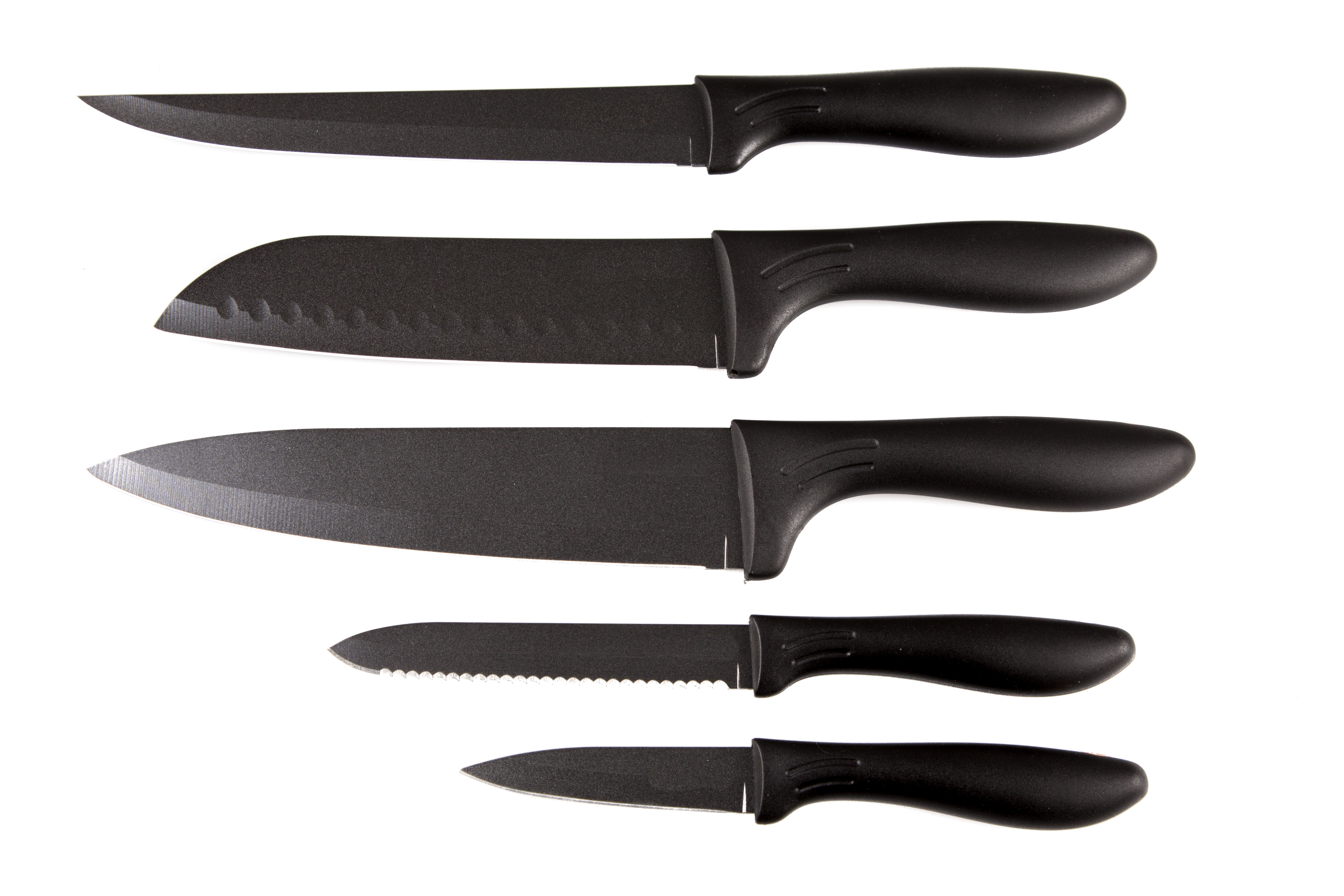
Paslanmaz Çelik Siyahlandırma (Stainless Steel Blackening / SS Black Oxide)
Paslanmaz yüzeylere estetik siyah görünüm; sealer ile dayanıklılık artırılabilir.
İşlem yüzeye siyah görünüm kazandırırken korozyon direncini de artırabilir.
Kullanıma göre son kat sealer uygulanabilir; dayanım ve görünüm korunur.
Standartlar:
- MIL-DTL-13924
Standartlara uygun proseslerle uzun ömürlü siyah yüzeyler elde edilir.